There’s something empowering about having your own space to train. No waiting for equipment. No commute. No crowded rooms. Just you, your goals, and a setup that works on your schedule. But when most people think about building a home gym, they picture expensive machines, massive racks, and a price tag that feels out of reach.
The truth? You don’t need a warehouse-sized space or a five-figure investment to create an effective home gym. You just need the right essentials—and a plan that fits your budget.
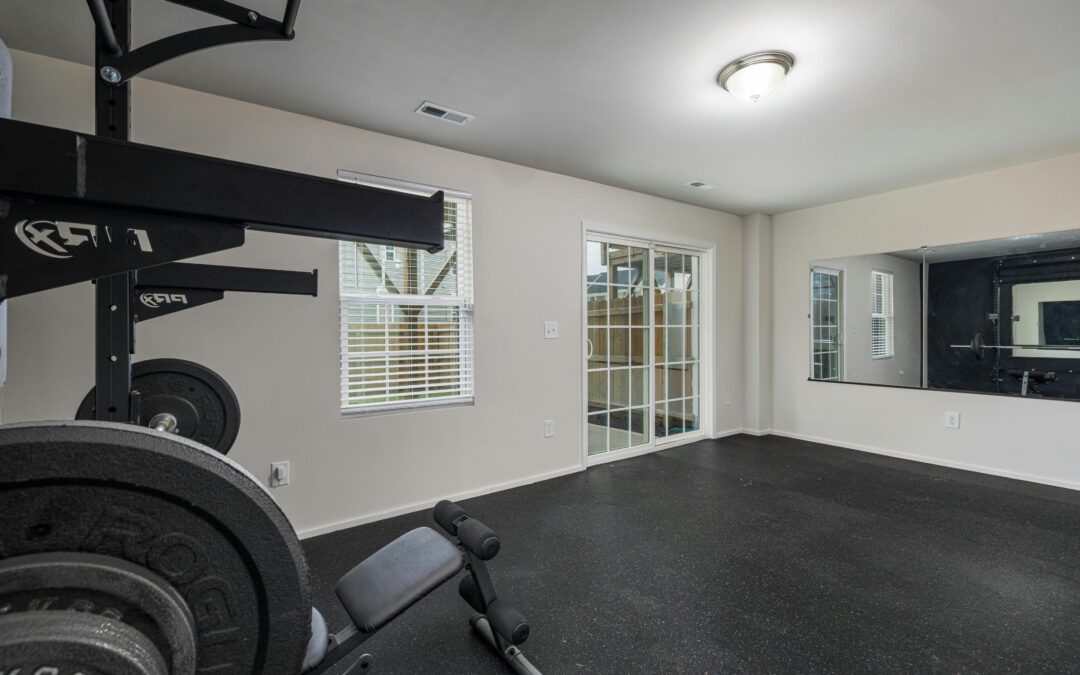
I’ve seen people transform spare bedrooms, garage corners, basements, and even small apartment living rooms into powerful training spaces. It’s not about how much you spend. It’s about how intentionally you build.
Start With the Foundation
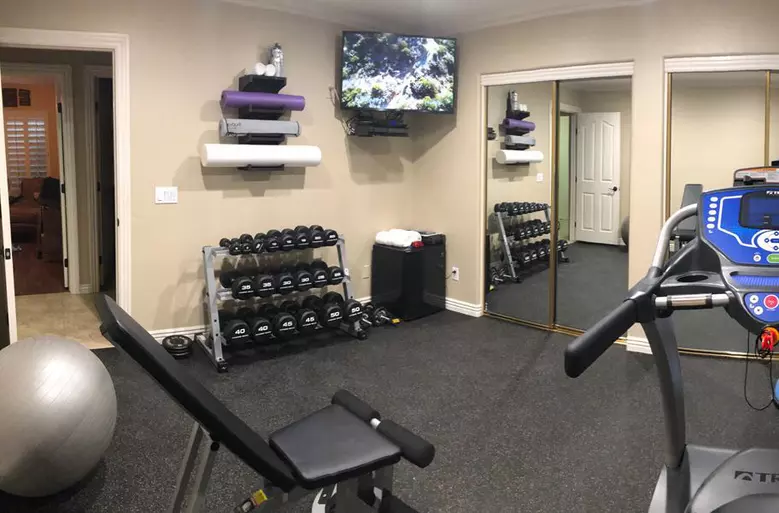

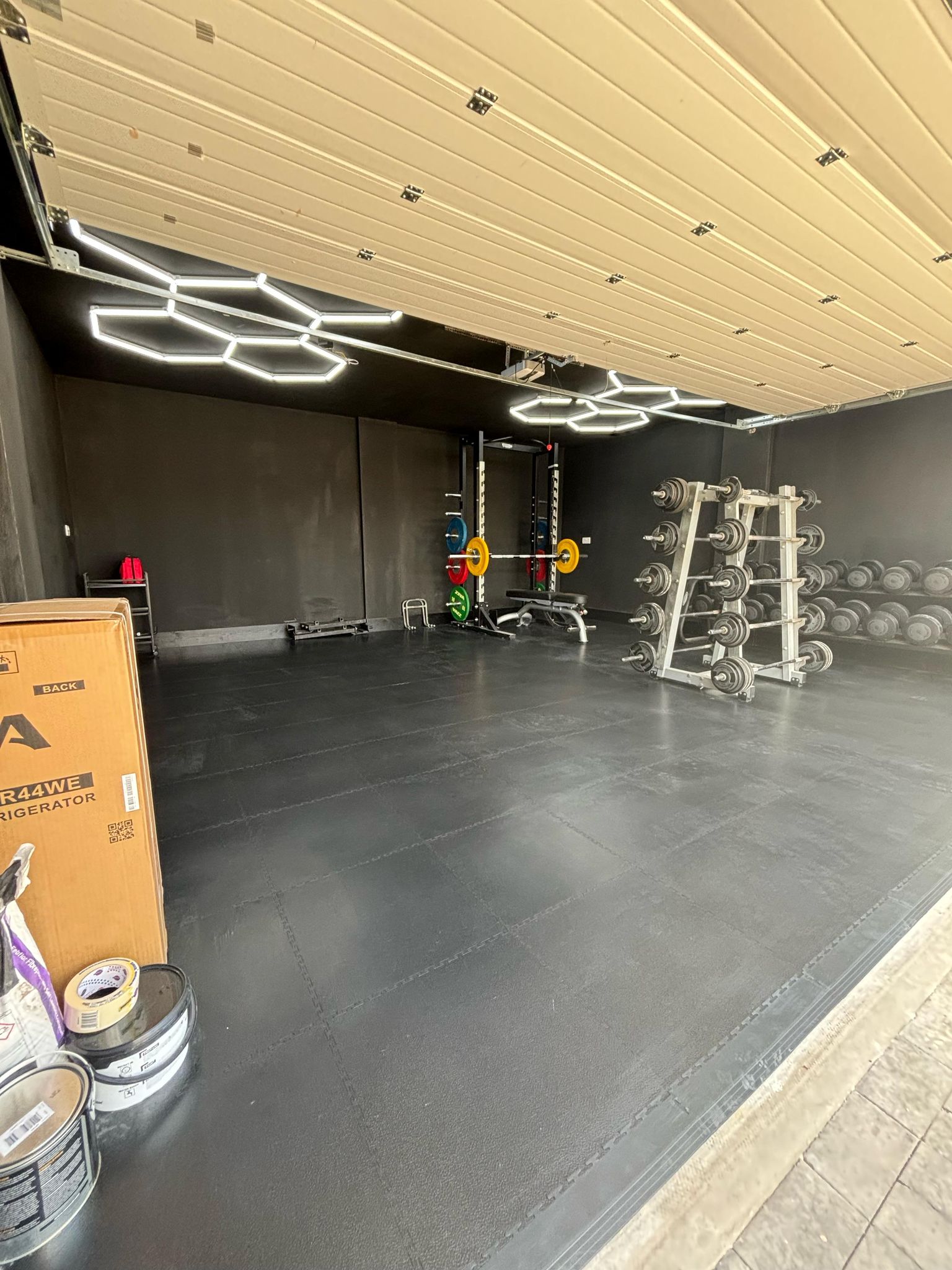

Before you think about weights or machines, think about your floor. Proper flooring protects both your equipment and your body. Even a simple set of interlocking foam mats can create a defined workout area while cushioning your joints during bodyweight movements.
Flooring also mentally separates your “workout zone” from the rest of your home. That small shift makes it easier to step into focus mode when it’s time to train.
If your budget is tight, start small. A single high-quality exercise mat can be enough in the beginning. Upgrade later as your training intensity grows.
The Most Versatile Investment: Dumbbells & Bands


If I had to choose just two pieces of equipment for a home gym, it would be dumbbells and resistance bands. Together, they unlock dozens of exercises for every muscle group.
Adjustable dumbbells are especially budget-friendly because they replace an entire rack of weights. Resistance bands add progressive tension, support mobility work, and can even assist with pull-ups if you expand later.
With these two tools, you can train your legs, chest, back, shoulders, arms, and core effectively—no machines required.
Add Strength Structure as You Grow
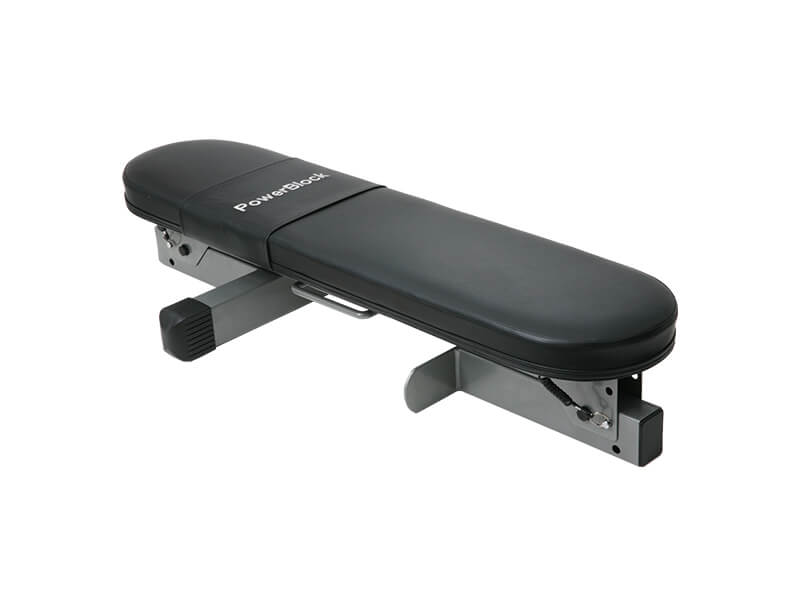


Once you’re consistent and ready to level up, consider adding a bench. A simple adjustable bench dramatically expands your exercise options—from presses and rows to split squats and step-ups.
If your budget allows and you’re serious about strength training, a power rack and barbell setup can be a long-term investment. But here’s the key: don’t rush it. Build based on your commitment level and goals, not impulse.
You can get strong without a rack. Add bigger equipment when your routine demands it—not before.
Don’t Overlook Cardio Options
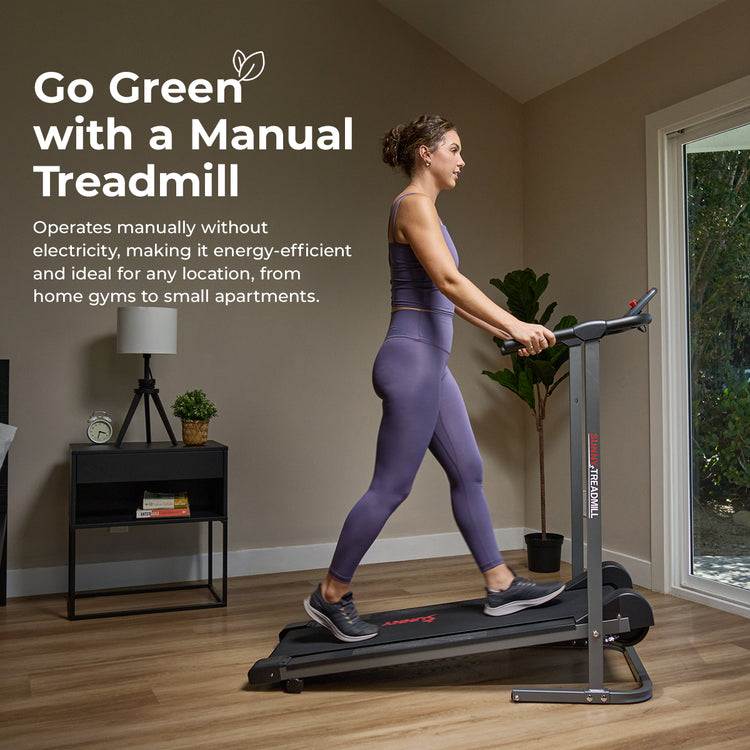


Cardio doesn’t have to mean a bulky treadmill dominating your space. A simple jump rope is inexpensive, effective, and easy to store. Resistance circuits and bodyweight intervals can elevate your heart rate just as well.
If you prefer machines, look for compact or foldable models that fit your space. Walking pads, foldable bikes, or rowing machines can be smart additions—but only if you’ll use them consistently.
Choose cardio equipment that matches your personality. If you hate running, a treadmill won’t magically fix that.
Recovery Tools Make a Difference


One of the biggest advantages of a home gym is having recovery tools within reach. A foam roller, massage ball, or stretching strap can reduce soreness and improve mobility between sessions.
Recovery keeps you consistent. And consistency is what turns a home gym from unused equipment into a lifestyle.
Building on Any Budget
Here’s how you can structure your setup depending on what you’re ready to invest:
Minimal Budget Setup
- Exercise mat
- Resistance bands
- Jump rope
This setup supports full-body workouts, cardio, and mobility work.
Mid-Range Setup
- Adjustable dumbbells
- Resistance bands
- Adjustable bench
- Foam roller
Now you can train with more resistance and expand your exercise variety.
Advanced Setup
- Power rack
- Barbell and weight plates
- Adjustable bench
- Cardio machine of choice
- Full flooring coverage
This mirrors a commercial gym experience—without leaving home.
The Most Important Piece: Consistency
No matter how impressive your setup becomes, equipment alone won’t create results. The most effective home gym is the one you actually use.
Start small. Use what you have. Upgrade intentionally. Build your space around your goals—not trends. Over time, your home gym will evolve alongside your strength, endurance, and confidence.
And here’s the best part: every time you step into that space, you’re reminded that you invested in yourself.
You don’t need perfection. You don’t need the most expensive gear. You need a functional space, a clear goal, and the discipline to show up.
Build smart. Train consistently. And create a home gym that works for you—on any budget.
#HomeGym, #HomeGymSetup, #GarageGym, #BudgetHomeGym, #HomeWorkout, #WorkoutAtHome, #FitnessEquipment, #StrengthTraining, #HomeFitness, #CompactGym, #ApartmentWorkout, #GymEssentials, #AdjustableDumbbells, #ResistanceBands, #FitnessOnABudget, #BuildYourGym, #PersonalTrainingSpace, #HomeGymLife, #FitFromHome, #HomeGymInspiration